

Concentric Security That Moves With Your Site
We protect construction sites, parking lots, and high-value assets with concentric layers of mobile video surveillance. From the outer perimeter to your most valuable assets, our smart trailers build an active, unbreakable shield around your property.
Last updated: June 2026
Total Peace of Mind Through Multi-Layered Protection
Protecting loose building materials, expensive machinery, and sprawling parking lots requires more than a simple camera. Our mobile surveillance trailers deliver a concentric security framework. With perimeter detection, active visual deterrents, and instant human verification, we stop crime at the edge before it reaches your bottom-line.
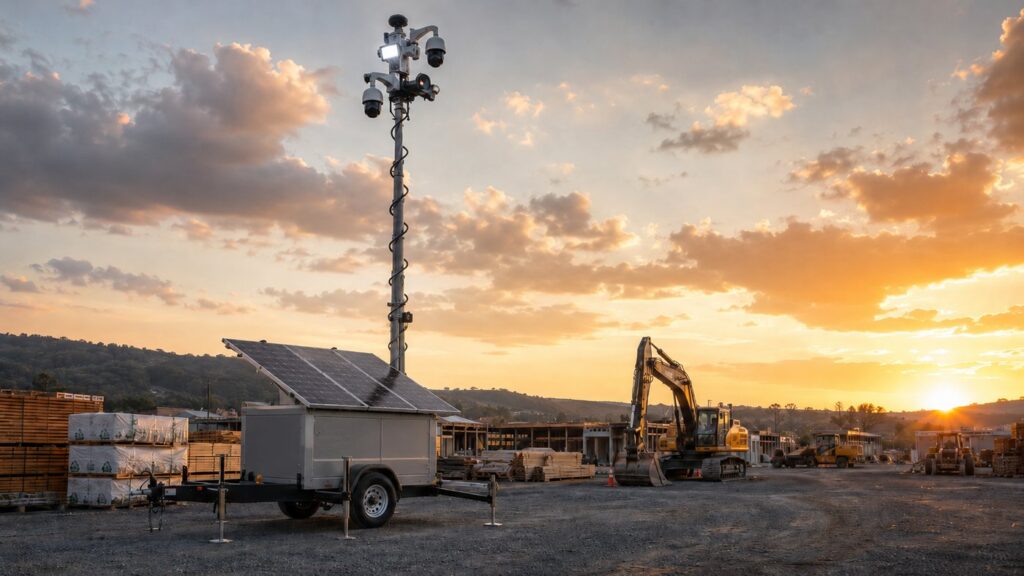
Our 5-Step Engagement Process: Seamless, Layered Protection
Step 1: Discovery & Perimeter Assessment
The Scenario: A San Francisco contractor contacts us regarding overnight site theft on a multi-phase project.
The Strategy: We analyze your site drawings and site walk to map out your specific concentric zones of risk.
The Assessment: We identify vulnerabilities—like limited early-phase power, main access gates, and remote laydown yards—to establish your outer defense perimeter.
Learn more about our industry-specific approaches
Step 2: Layered Solution Design & Proposal
The Strategy: We architect a custom security footprint utilizing tailored hardware layers.
The Hardware: We recommend a heavy-duty hosted mobile trailer for the main entrance and an auxiliary solar-powered trailer for the remote laydown yard.
The Program: You receive a flexible, rental proposal featuring our elite concierge-level active live monitoring with seamless extension options to match your construction timeline.
Step 3: Precision Trailer Configuration & Deployment
The Strategy: Our team handles the complete physical deployment of your mobile command centers.
The Execution: We configure the trailers, deliver them to your site, raise the masts, and fine-tune camera angles for optimal overlapping coverage.
The Sign-Off: We coordinate directly with your site superintendent to ensure placement perfectly aligns with site traffic and safety plans.
Step 4: Active Concierge Monitoring & Dynamic Adjustments
The Strategy: Real-time threat mitigation and flexible system optimization.
The Concierge Advantage: When asset locations shift on-site, we dynamically reposition trailers and update monitoring rules.
The Results: Our active monitoring team deters intruders, handles threat verification, and provides high-definition trespass footage for your internal reviews and insurance claims.
Step 5: Seamless Decommissioning & Multi-Site Continuity
The Strategy: Frictionless removal and transition to your next project location.
The Closeout: When the project wraps up, we promptly remove the mobile trailers on your scheduled date.
The Next Project: As you move to your next job site—whether in Fresno or beyond—your established security profile moves with you, eliminating onboarding friction.
What We Need From You
To make the process efficient and effective, it helps if you come prepared with a few key pieces of information:
- Site details: Address, basic layout, and whether it is a construction site, logistics yard, retail center, industrial plant, utility asset, or municipal facility.
- Risk areas: Where incidents have happened or are most likely to happen — entrances, storage areas, parking rows, remote corners, etc.
- Access and restrictions: Gate hours, equipment or truck paths, load-bearing limitations, restricted zones, and any height or noise constraints.
- Power and connectivity: Whether power is available, any limitations, and requirements for integrating with existing IT/security systems.
- Timeline and duration: When you need coverage to start and how long you expect to run deployment (project end date, seasonal peak, or ongoing operation).
- Local & landlord requirements: Any permitting, landlord approvals, or internal policies relevant to the trailer installation.
The more we know up front, the faster we can provide a clear proposal and move to deployment.
Process for Different Solutions
Rentals
Designed for short-term or project-based deployments. The emphasis is on fast discovery, deployment, and repositioning. At the end of the project, trailers are removed or rolled to the next job under your rental program. Learn more about Rental Surveillance Trailer Solutions.
Monitoring vs Live Professional Monitored
Monitored: We define escalation paths, alarm logic, and reporting cadence. There is more emphasis on the surveillance trailer monitoring workflow, roles, and communication between our operators and your team. Learn more about Remote Monitoring & Response.
Live Professional Monitored: We focus on integration with your existing SOC, guard team, or third-party monitoring provider. The deployment plan includes access control, documentation, and training for your internal teams. Learn more about Live Professional Monitored Systems.
Across all models, the trailer hardware and process fundamentals remain consistent; the ownership and responsibility split is what changes.
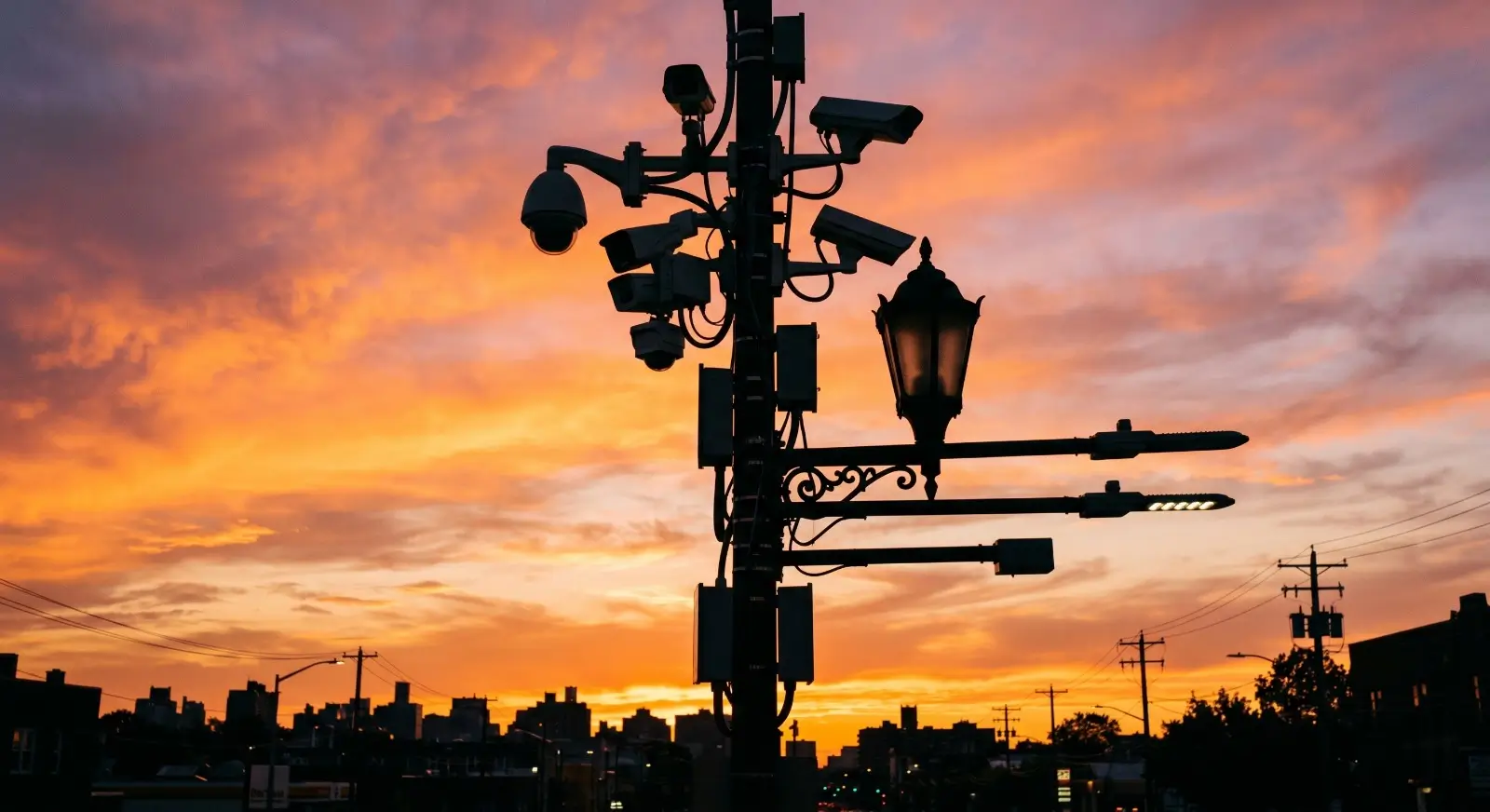
Example Engagement: Construction Project in San Francisco
To make this concrete, here is what a typical construction engagement might look like.
(You can add internal links such as construction jobsite security, San Francisco trailer rental, and solutions.)
Strategic Placement Meets Professional Design
Our mobile security systems are engineered to balance undeniable crime deterrence with a clean, high-end corporate appearance.
High-Visibility Deterrence
The system stands out immediately as advanced security infrastructure, warning trespassers away from the outer perimeter.
Customer-Facing Appeal
Unlike bulky, rusted industrial units, our trailers feature a compact footprint and clean lines. This makes them highly suitable for active retail parking lots, premium construction developments, and customer-facing environments.
Tailored Aesthetics
We tune the exact placement and equipment branding to match your property's aesthetic preferences and corporate identity.
How the Relocation Process Works
The Request: You notify us that your site footprint, high-value asset zones, or traffic flows are changing.
The Re-Assessment: We digitally map the new layout to ensure your concentric rings of protection remain unbroken.
The Move: Our concierge logistics team arrives on-site, safely relocates the trailers, adjusts the mast heights, and recalibrates the camera angles for immediate threat detection.
Process FAQ
How much lead time do you need before deployment?
Lead times depend on trailer availability, site location, and complexity of the deployment. For standard surveillance trailer rentals within our Northern California service area, we can often move quickly once scope and access are confirmed. For multi-site or highly regulated environments, we may need additional planning time.
Who moves the trailers if the site layout changes?
The design balances deterrence with a professional appearance. It is clearly visible as security infrastructure, but its smaller footprint and cleaner lines make it more suitable for customer-facing environments than heavier industrial units. Placement and branding can be tuned to your preferences.
Do you handle permitting, landlord approvals, or city sign-offs?
Requirements vary by location and property. You typically own the relationship with landlords and permitting authorities, but we can provide technical details, diagrams, and documentation about the surveillance trailer installation process to support your approvals.
What happens if there is an incident after hours?
Our mobile surveillance trailers establish an instant, proactive response the moment a perimeter breach occurs. Your exact after-hours workflow depends on your chosen monitoring tier:
Active Concierge Live Monitoring (Turnkey Defense)
- Immediate Strobe & Voice Down: The system automatically launches flash warnings and live, authoritative voice-down challenges to deter trespassers.
- Instant Live Verification: Elite monitoring agents instantly review live feeds to verify the threat.
- Point of Contact Escalation: We alert your designated site contact immediately with live threat data.
- Priority Police Dispatch: Agents coordinate directly with local authorities, providing real-time location details to ensure rapid response.
Client-Managed Monitoring (Self-Monitored)
- Direct System Alerts: High-definition video alerts are routed instantly to your internal security team’s devices.
- Policy-Driven Response: Your internal team reviews the footage, manages live intervention, and executes response steps according to your corporate protocols.
If you are ready to explore how our surveillance trailer deployment process would look on your sites, we can walk through your locations, timelines, and risk profile and propose a practical plan